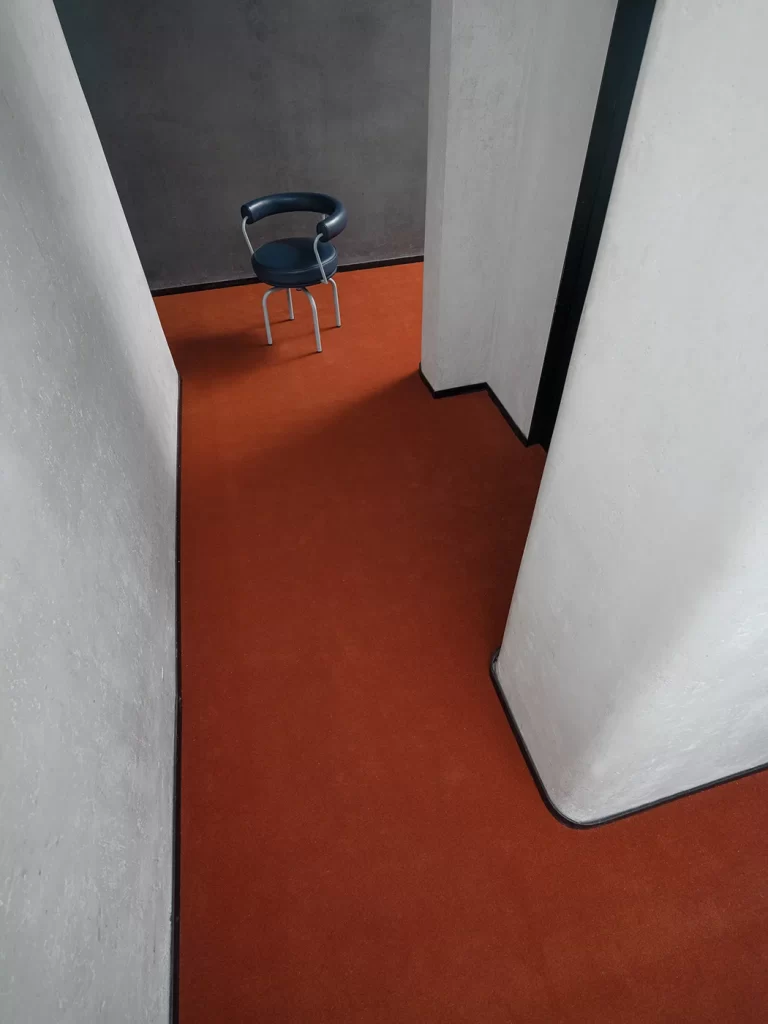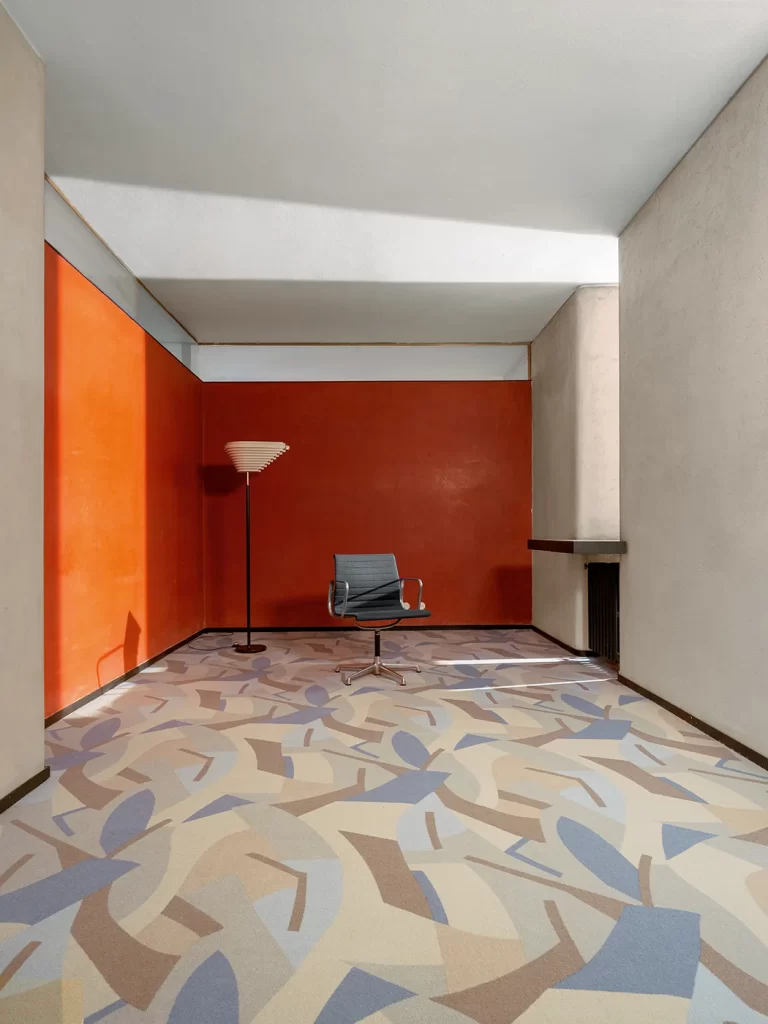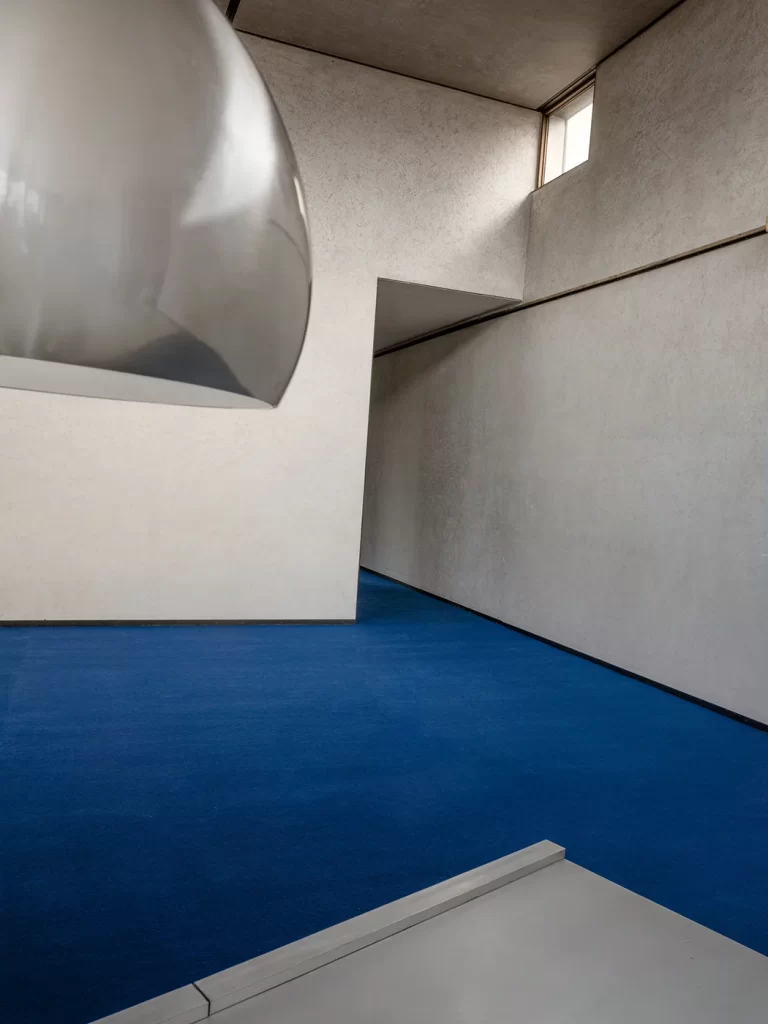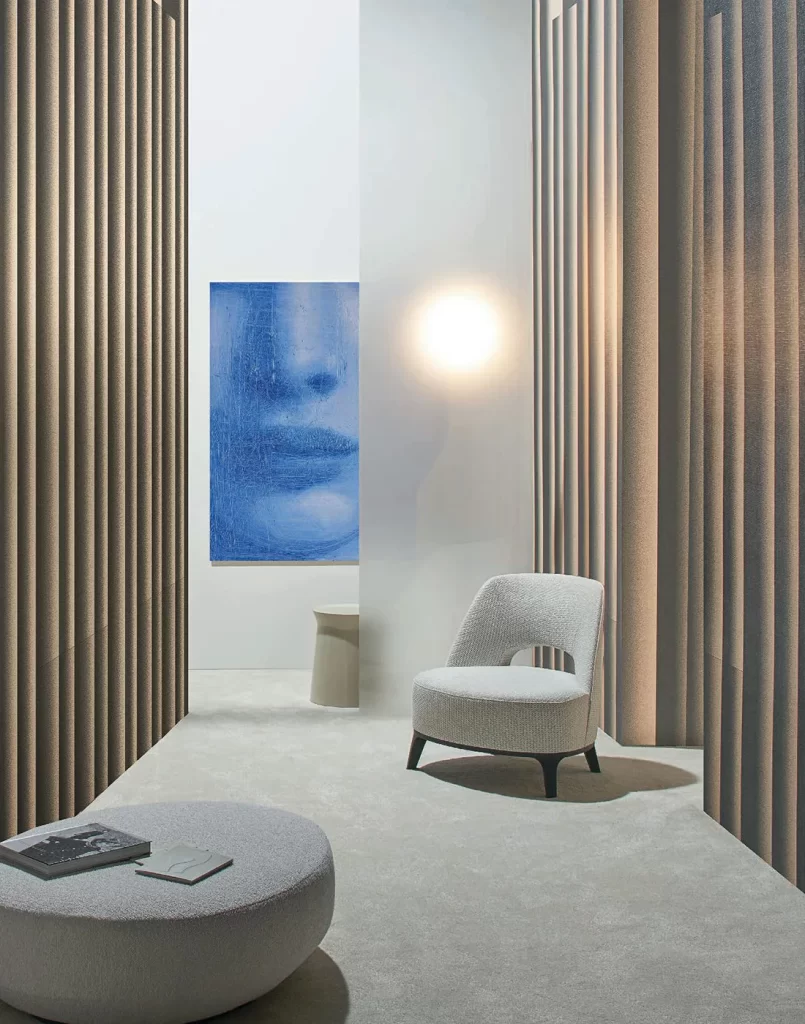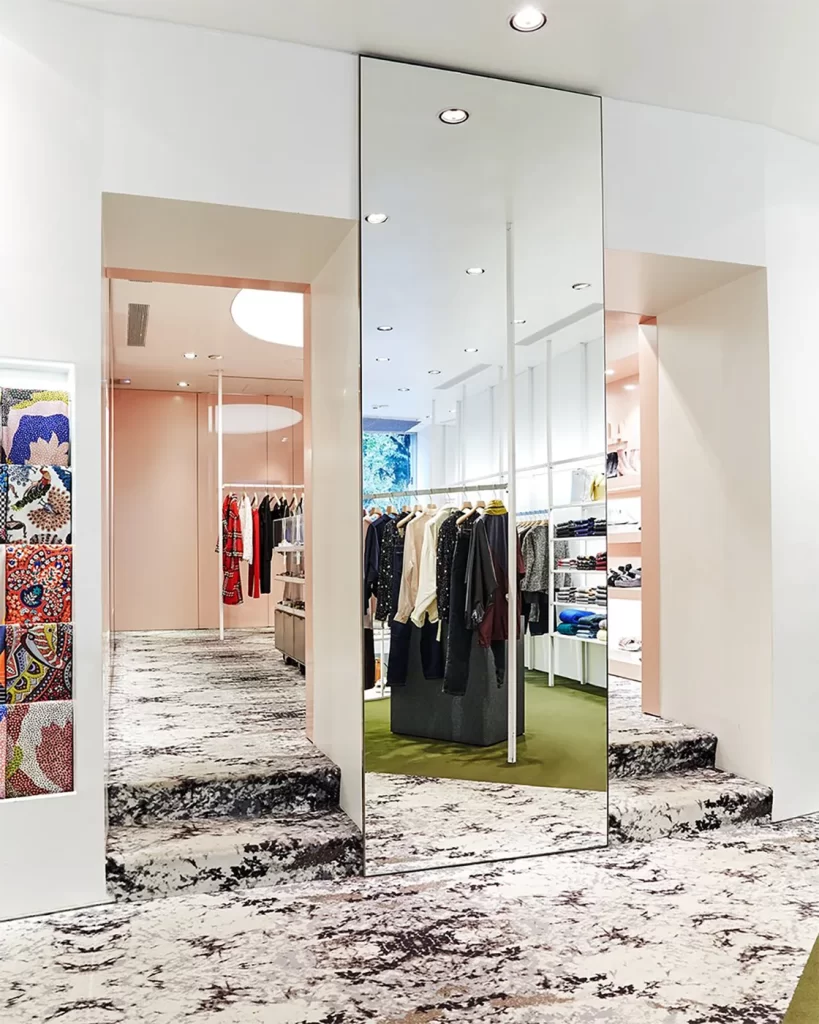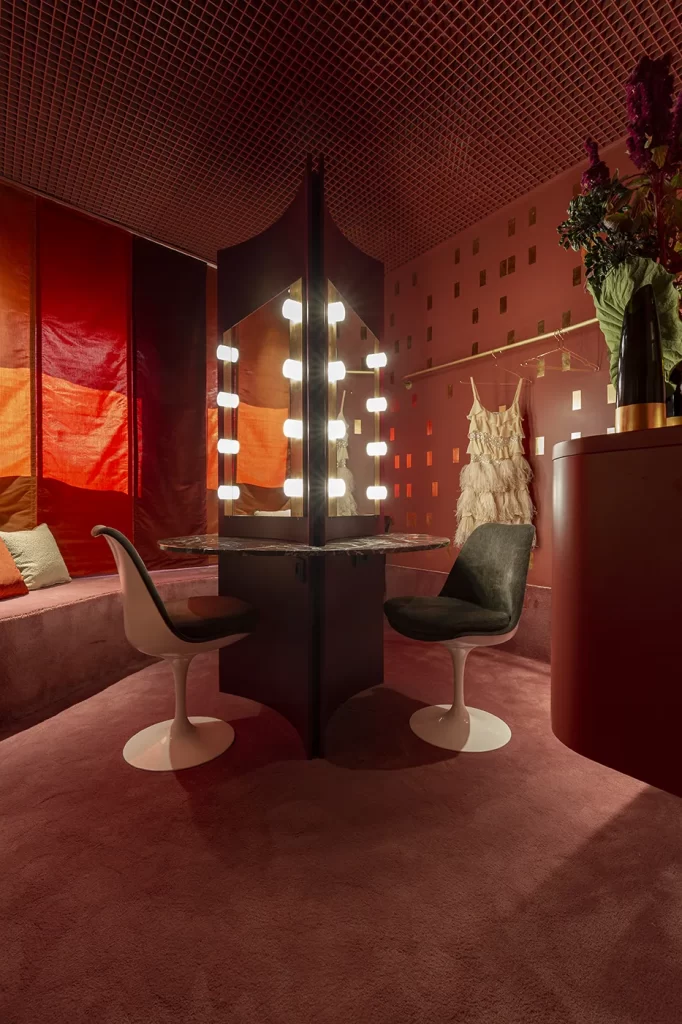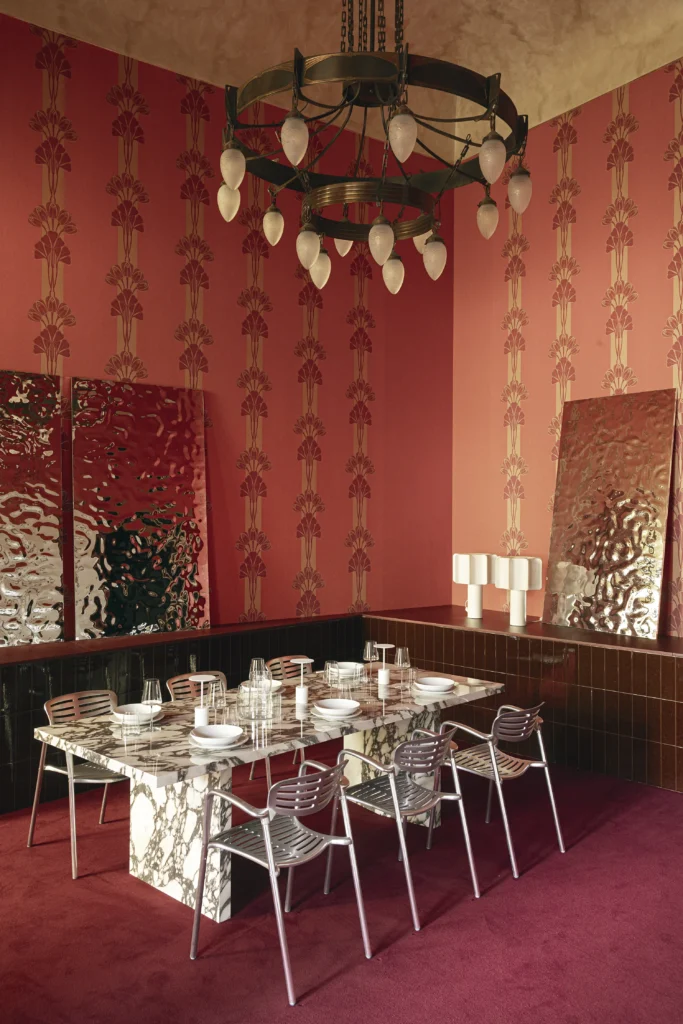
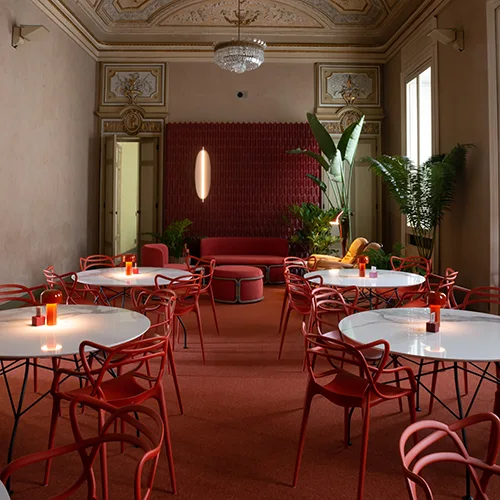
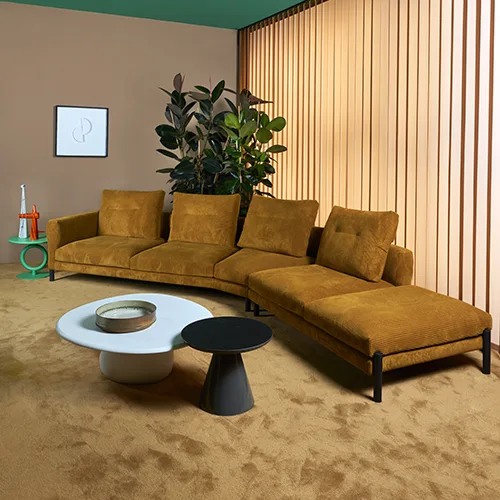
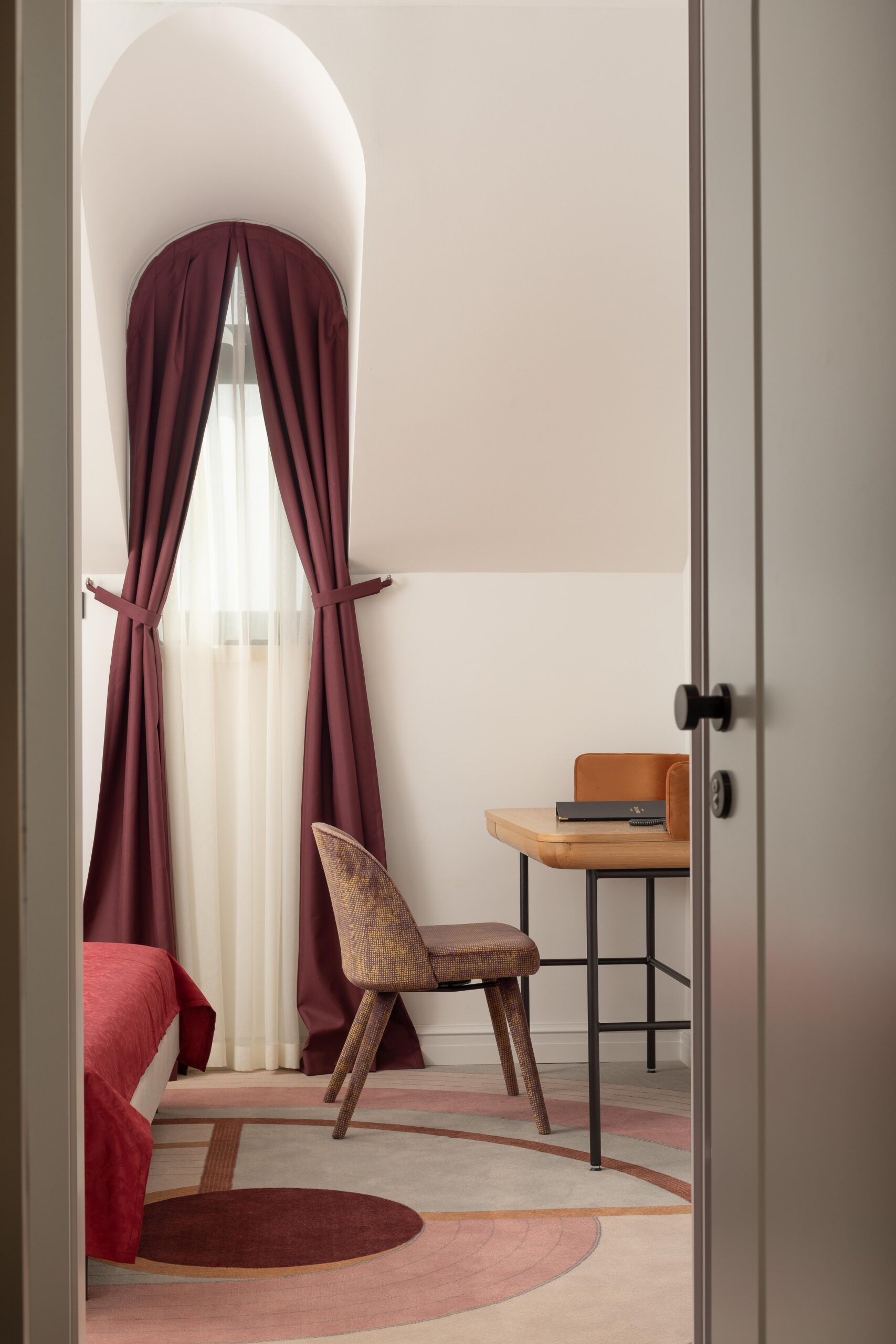
Thanks to its fibrous structure, carpet is able to retain heat and reduce thermal dispersion, creating a more comfortable surface compared to many traditional flooring solutions. For this reason, architects and designers increasingly consider it a solution that combines design, comfort, and sustainability.
For years, at Radici Carpet, we have been developing textile flooring solutions designed to improve the quality of spaces, combining material research with technical performance.
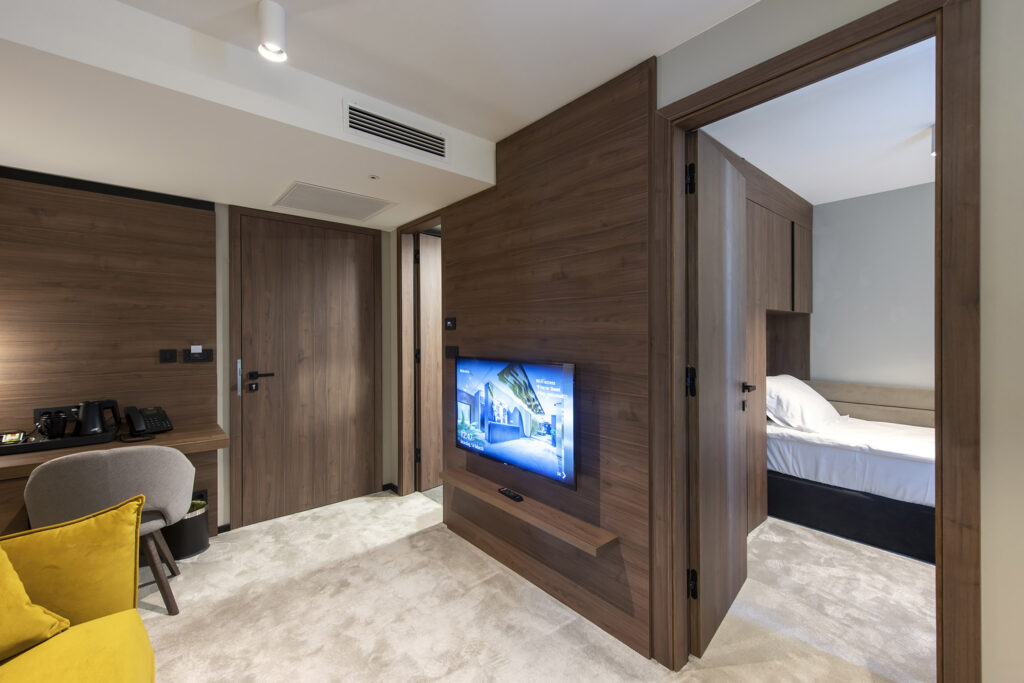
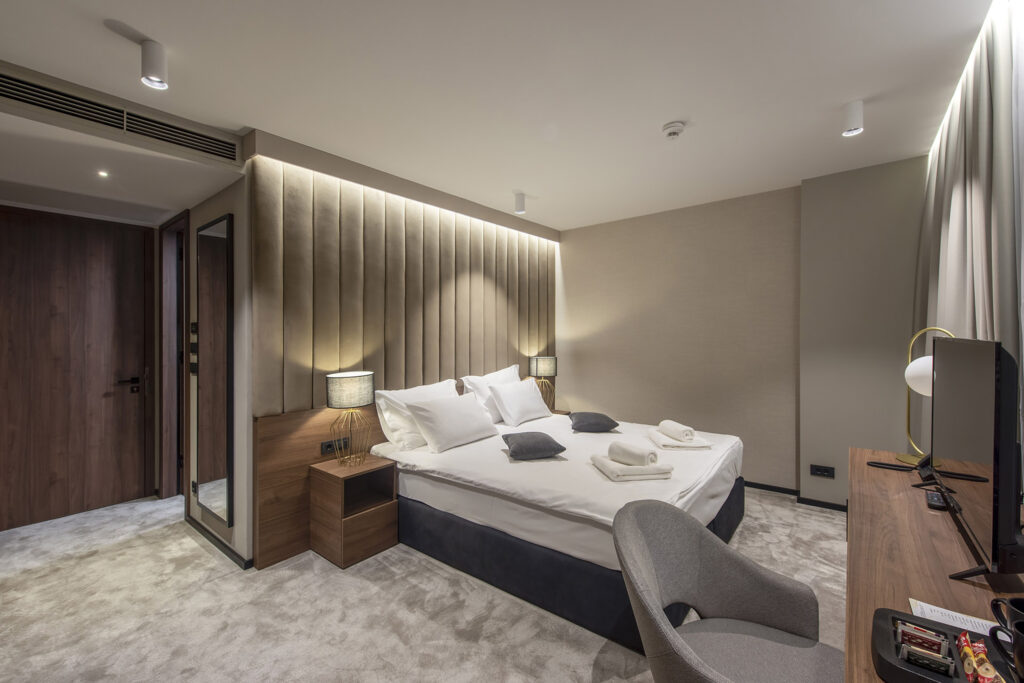
In interior design, flooring often plays an underestimated role. Beyond defining the aesthetics of a space, it contributes directly to the quality of both residential and professional environments. Materials, surfaces, and construction technologies influence thermal comfort and the overall perception of a space.
In this context, carpet flooring is becoming an increasingly relevant solution. Textile flooring is not only a design choice, but also an element that helps improve the energy efficiency of interiors.
Carpet as a natural thermal insulator
In interior design, carpet introduces a quality that goes beyond aesthetics: the ability to enhance thermal comfort within a space. Thanks to its structure, textile flooring helps retain heat and create more welcoming environments.
The structure of textile fibers creates a surface capable of retaining heat and reducing energy loss through the floor. Unlike hard surfaces, carpet adds a soft layer that helps maintain a more stable indoor temperature.
Fiber structure
The insulating performance of thermal insulating carpet largely depends on the structure of the fibers that make up the textile flooring.
Textile fibers create a three-dimensional surface that slows down heat exchange between the floor and the environment. This means that the heat generated by heating systems remains longer within the space, improving indoor comfort.
Air trapped within the fibers
Another key element is the presence of air between the fibers. Air is one of the best natural insulators and, when trapped within the structure of the carpet, it creates a barrier that reduces heat loss.
This mechanism makes textile flooring particularly effective during colder months, when retaining heat indoors becomes essential for overall comfort.
Difference between carpet and hard flooring
To better understand the advantages of thermal insulating carpet, it is useful to compare it with some traditional flooring materials.
Ceramic
Ceramic is widely used for interior flooring. However, from a thermal perspective, it behaves as a good heat conductor. This means it quickly disperses heat and often feels cold to the touch.
Stone
Natural stone shares similar characteristics. Its density and thermal conductivity make the surface feel cold, especially during the winter months.
Wood
Wood flooring offers a more balanced thermal performance, but it does not reach the level of insulation provided by textile flooring.
Carpet, thanks to the combination of fibers and air trapped within its structure, creates a naturally warmer and more comfortable surface.
The benefits of thermal insulation
Choosing a carpet with strong insulating properties means improving several aspects of indoor environmental quality.
Comfort underfoot
The first benefit is the tactile experience. Walking on thermal insulating carpet provides a warmer and softer feel compared to traditional flooring.
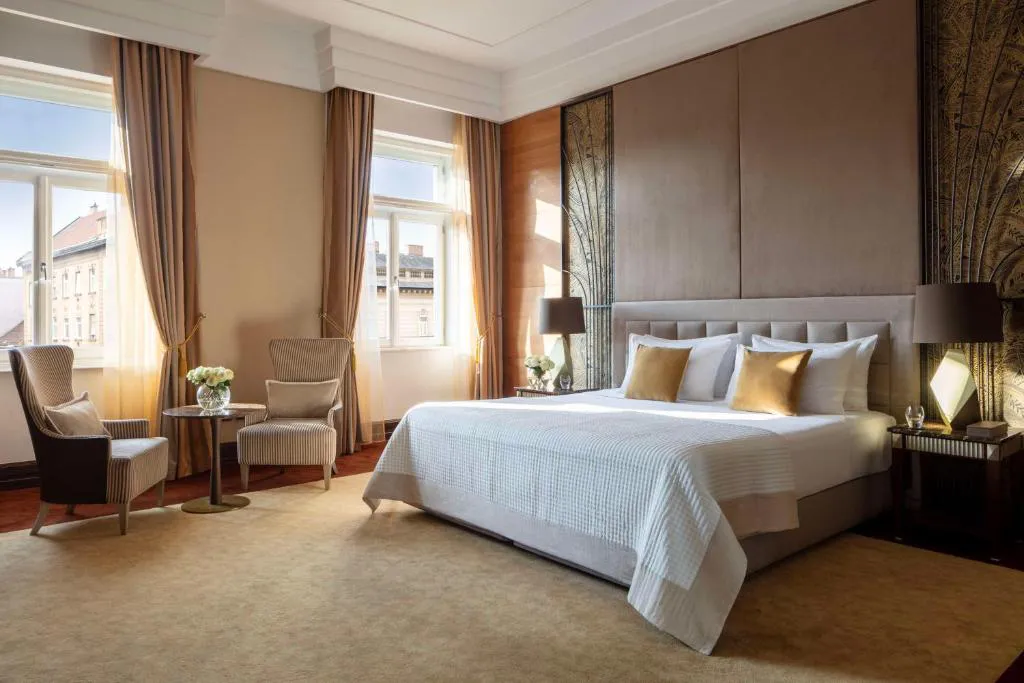
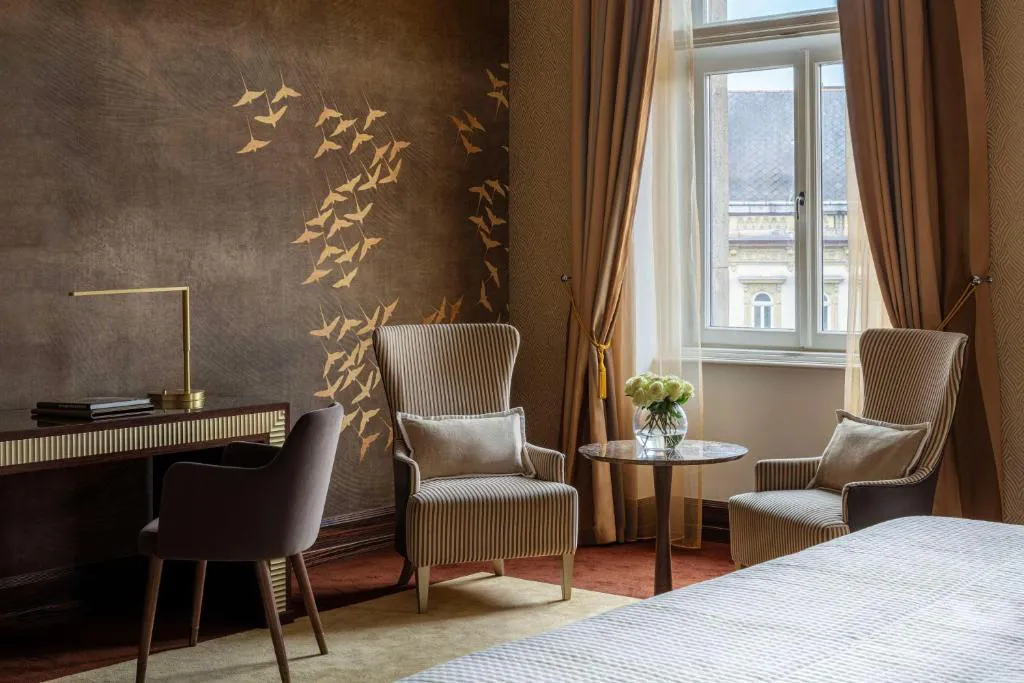
This makes textile flooring particularly suitable for spaces such as hotel rooms, living areas, and environments where everyday comfort is essential.
Reduced heat loss
The structure of carpet helps reduce heat dispersion through the floor. This allows indoor temperatures to be maintained for longer periods, reducing the need for continuous heating.
Energy efficiency
By limiting heat loss, textile flooring can contribute to improved energy efficiency in buildings. Spaces that retain heat more effectively require less energy to maintain comfortable temperatures.
Thermal and acoustic insulation: a double benefit
One of the most interesting aspects of thermal insulating carpet is that its insulating performance is not limited to heat.
The fibrous structure of textile flooring also contributes to sound absorption, reducing footstep noise and improving acoustic comfort.
This dual benefit makes carpet an especially effective solution for contract spaces, hotels, and offices, where sound control is an essential part of architectural quality.
For us, textile flooring represents exactly this balance between technical performance and design quality: a surface that enhances both thermal and acoustic comfort, helping to create more welcoming and sustainable spaces.
Discover Radici Carpet solutions
Radici Carpet collections offer a wide range of textile flooring solutions designed to combine design, comfort, and technical performance.
Discover our collections and customization possibilities to develop thermal insulating carpet solutions that enhance every interior design project.