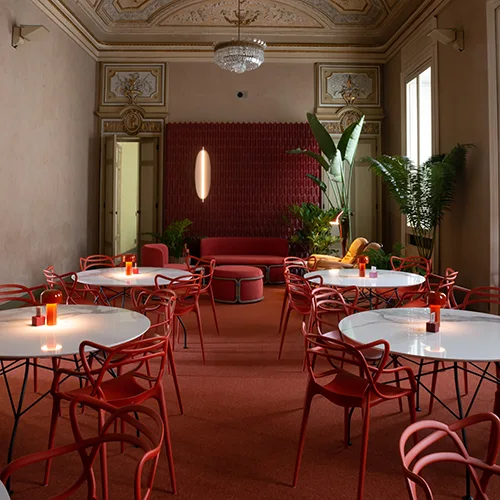
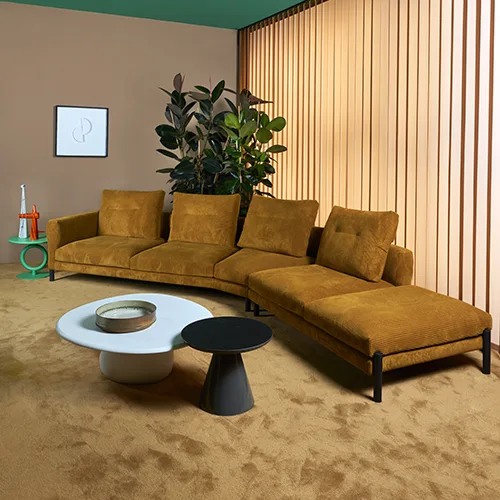
In contemporary hospitality, designing a hotel means creating an experience. Spaces are no longer simply functional settings for welcoming guests, but environments capable of expressing a clear identity and creating an emotional connection with those who experience them.
A hotel concept emerges precisely from this need: to shape a coherent project in which architecture, interior design and materials all contribute to defining the character of the space.
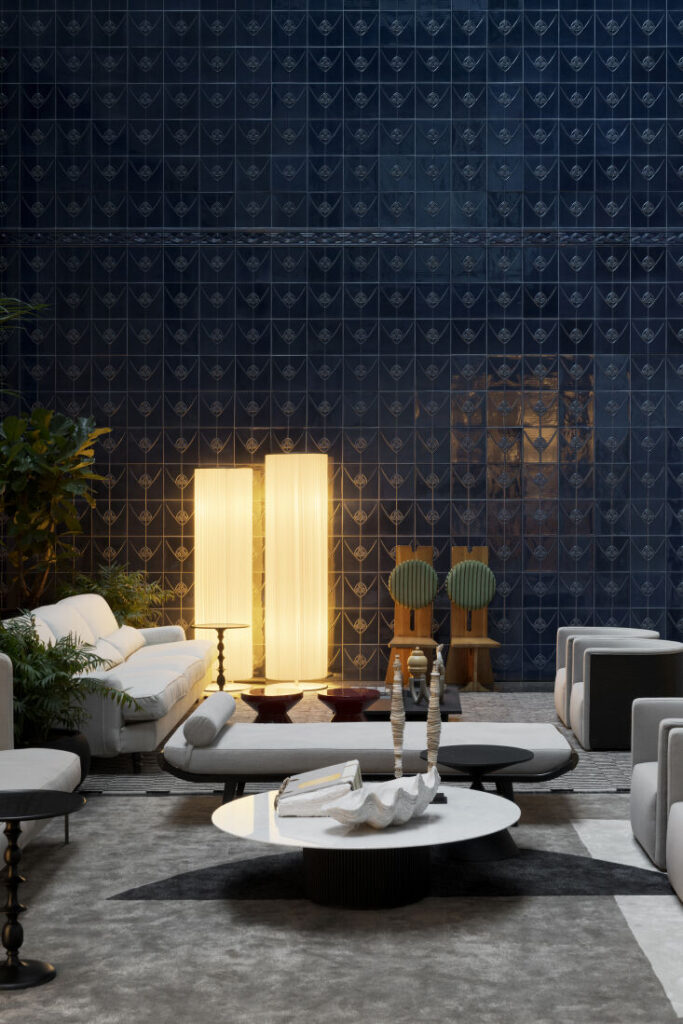
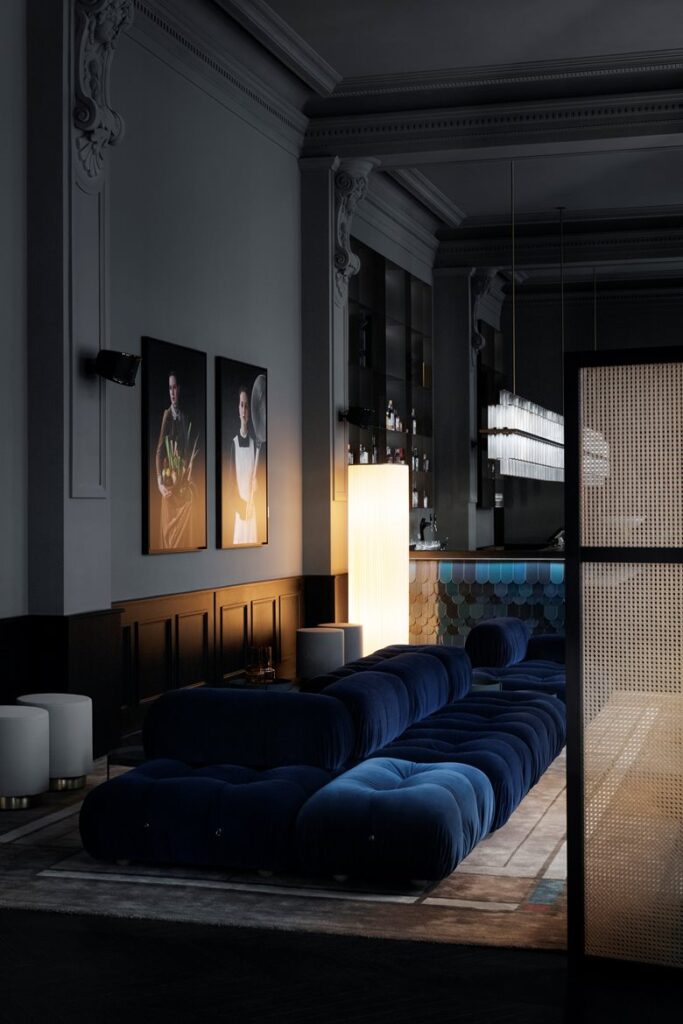
In this process, every detail plays a strategic role. Surfaces, materials and atmospheres become design tools that influence the perception of spaces and the quality of the experience. Flooring is also part of this narrative construction, contributing to define the visual language and the comfort of the environment.
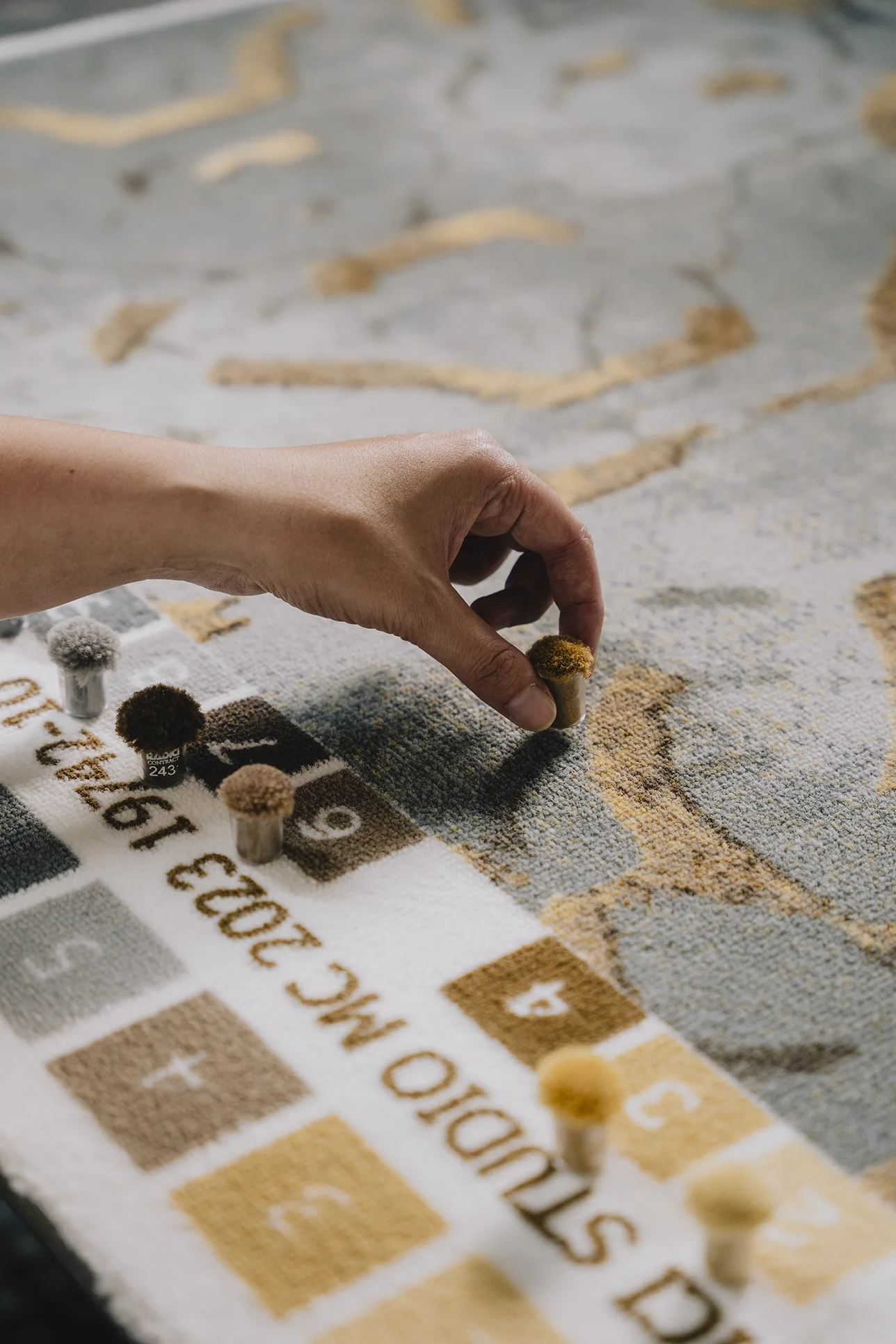
For us, design starts from this dialogue between concept and material. Through our Radici Carpet Studio platform, we develop solutions that allow architects and interior designers to transform a design idea into textile flooring capable of expressing the space. Our creative process is presented here.
What is a hotel concept
A hotel concept is the design principle that guides all decisions related to space planning. It goes beyond aesthetics, defining the entire system of relationships that shapes the identity of the hotel.
The concept establishes the visual language of the space, the way guests experience it and the type of atmosphere the hotel aims to convey.
In a hospitality project, every element contributes to this narrative construction, from spatial layout to surface selection, through to the materials used in the interiors.

Key components in hospitality concept design
Architecture
Architecture represents the starting point of the project. Volumes, proportions and circulation paths define how guests move through the space.
In contemporary hotel design, architecture is increasingly conceived to create fluid experiences, where different areas of the hotel are connected and in dialogue with each other.
Interior design
Interior design translates the concept into atmospheres and visual language. Colours, furnishings, lighting and materials contribute to shaping the identity of the space.
In many hospitality projects, interior design focuses on creating environments that convey a sense of comfort and welcome, in line with the trends of 2026.
Materials
Materials are what make the concept tangible. Textures, surfaces and finishes define the sensory perception of the space.
In contemporary hotel design, material selection is increasingly oriented towards solutions that combine aesthetic quality, durability and comfort.
The role of flooring in the concept
Among the surfaces that contribute to shaping a hotel’s identity, flooring plays a key role.
Flooring is no longer considered just a functional element, but a design surface that influences spatial perception and accompanies the guest experience.
Visual identity
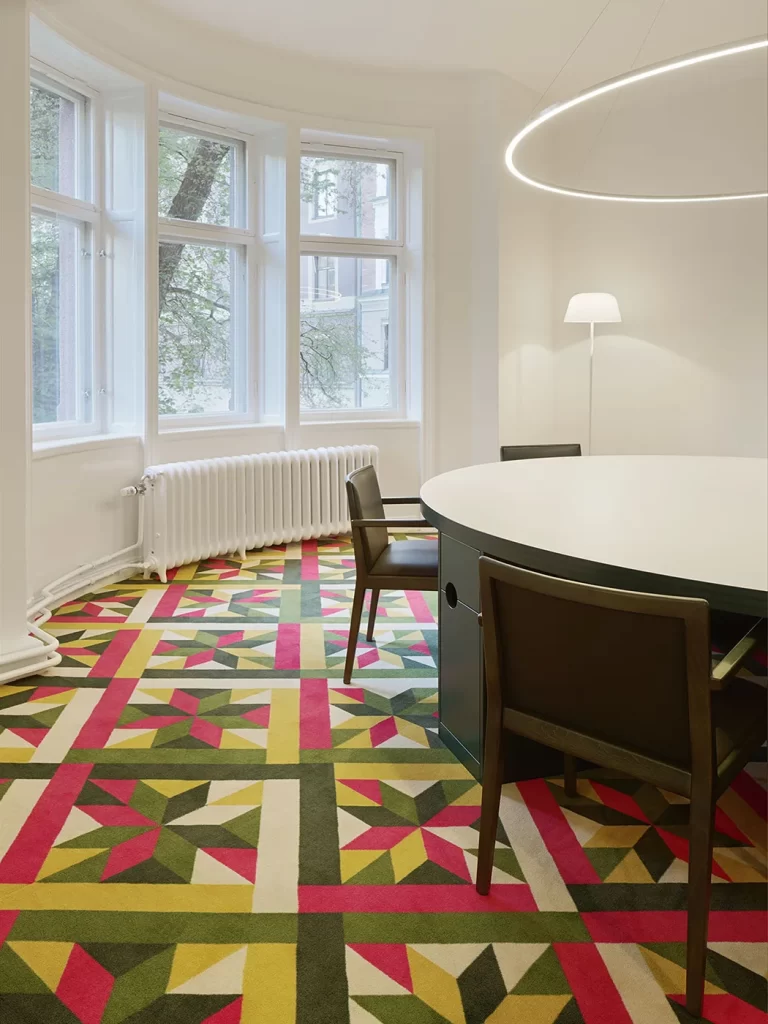
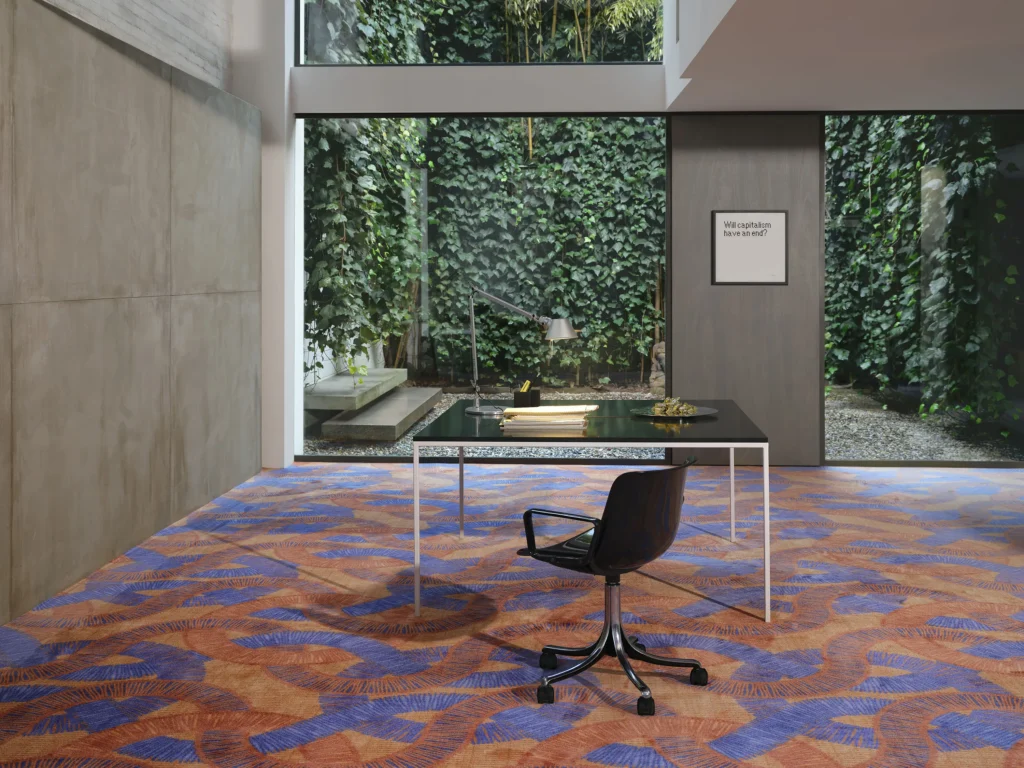
Flooring contributes to defining the visual language of the space. Patterns, colours and textures can guide movement, create continuity between areas or highlight specific zones within the hotel.
With textile flooring, the possibility of developing custom designs allows the floor to become a true narrative surface.
Through Radici Carpet Studio, we work precisely on this aspect, offering architects design tools to create bespoke carpets developed to interact with the hotel concept.
Comfort
Comfort is one of the key elements of the guest experience. Flooring directly influences how a space is perceived, both from a thermal and sensory perspective.
Textile surfaces help create warmer, more welcoming environments, especially in areas dedicated to relaxation.
Acoustics
In hotels, sound control is a fundamental aspect. Corridors, guest rooms and common areas must ensure a high level of acoustic comfort.
Textile flooring naturally absorbs sound, reducing impact noise and improving the overall acoustic quality of the space.
Trends in hotel design
Hospitality design is constantly evolving. In recent years, several themes have become increasingly central in the development of new hotel concepts, as explored here.
Biophilia
The connection with nature is becoming a key element in hotel design. Natural materials, light and organic textures contribute to creating more relaxing and welcoming environments.
Multifunctional spaces
Contemporary hotels are moving away from rigid layouts towards more dynamic environments. Lobbies, lounge areas and shared spaces are designed to adapt to different functions throughout the day.
In this context, surface design becomes a key tool to define identity, guide movement and shape atmospheres.
Recommended solutions