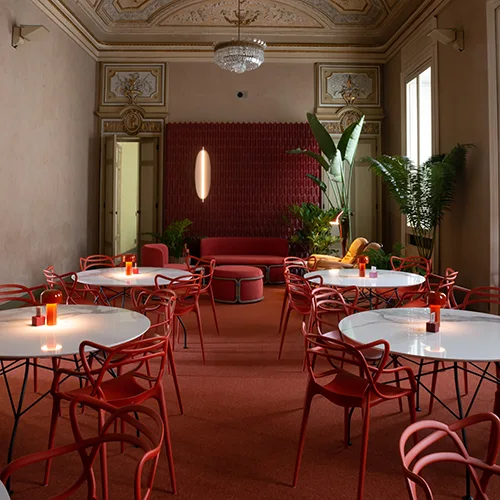
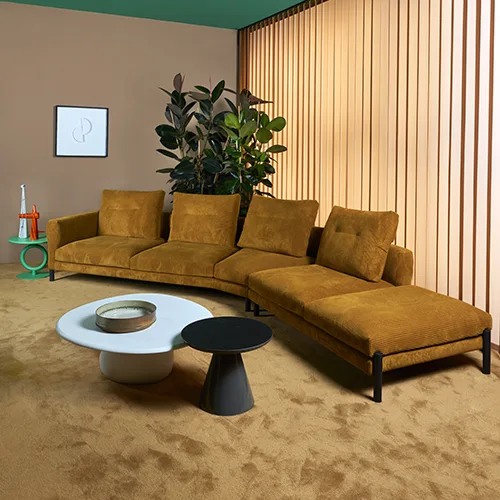
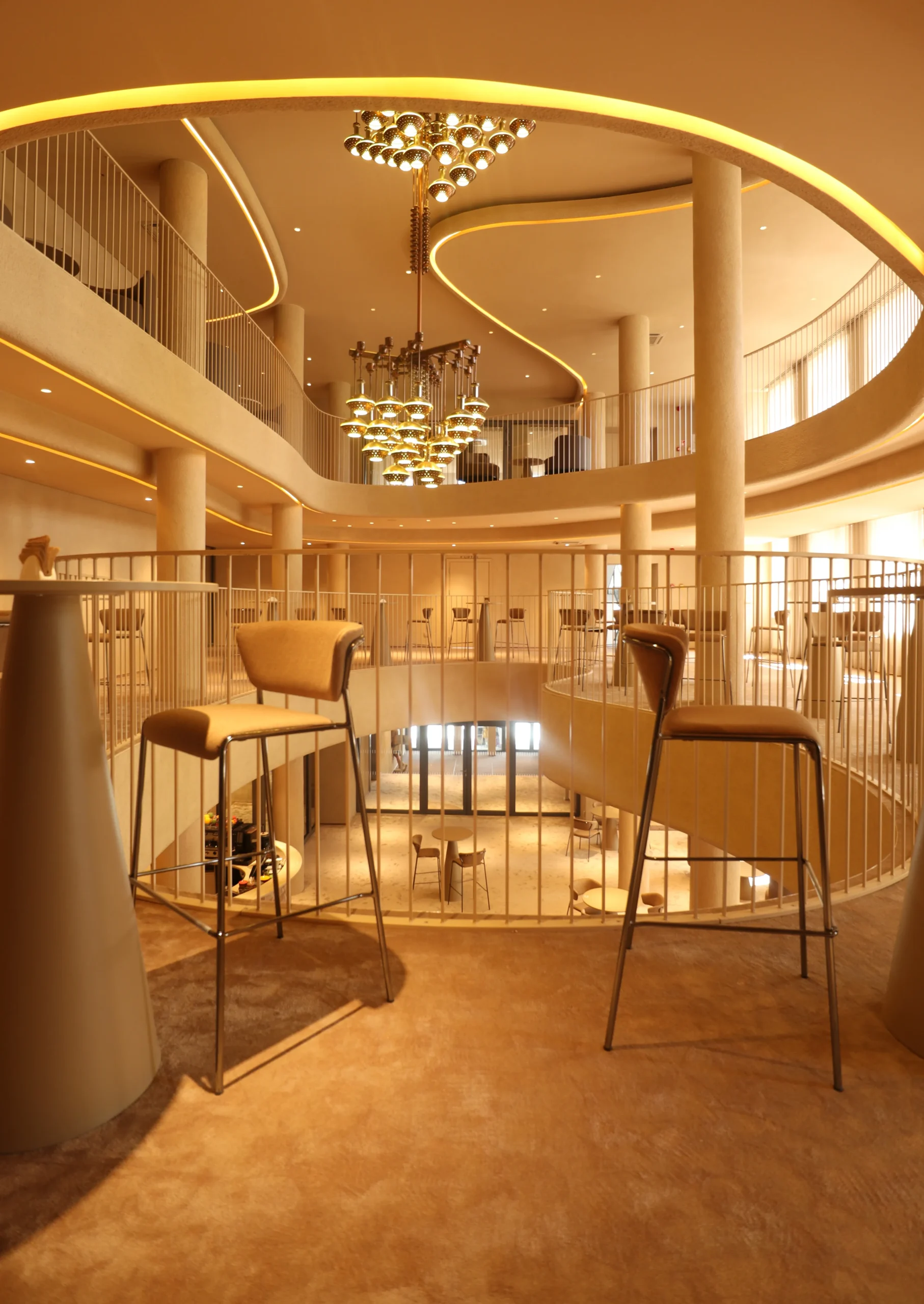
In a hotel, every surface contributes to the story of the space. Light, textures and materials create a rhythm that guides movement. Flooring becomes part of this silent narrative, influencing how spaces are perceived and experienced by guests.
Flooring goes beyond a technical decision. It is a continuous presence that shapes the guest experience, from the entrance in the lobby to the calm of the room, supporting daily use while helping to create a coherent and welcoming atmosphere.
Selecting the right flooring involves combining design, comfort and performance, making the surface an essential part of the hospitality experience.
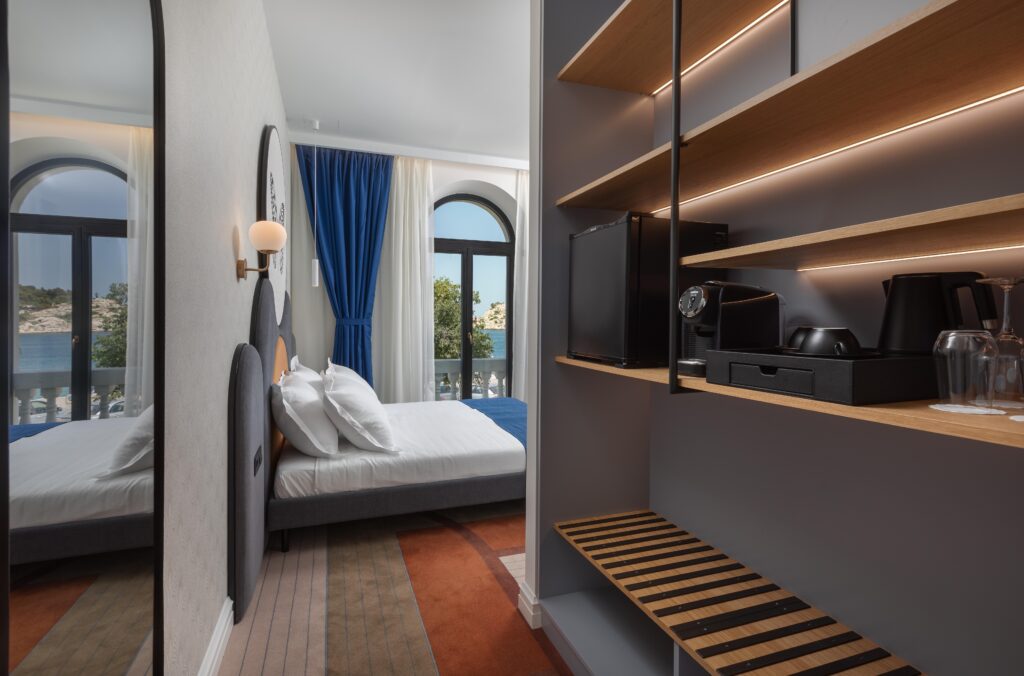
Flooring requirements in the hospitality sector
In hotels, flooring is a surface in constant use. Corridors, lobbies and shared areas are crossed every day by guests, staff and luggage, in a continuous flow that requires materials capable of withstanding heavy traffic without losing their visual quality.
At the same time, daily operations require practical surfaces designed for easy maintenance. In a hospitality environment, maintenance must never disrupt the life of the space, but rather integrate seamlessly into the hotel routine.
There is also a more subtle yet essential aspect: the feeling a surface conveys at first step. Good hotel flooring should communicate stability, comfort and visual continuity, helping to create a welcoming and reliable environment from the very entrance.
The advantages of carpet in hotels
Among the most widely used solutions in contemporary hotel design, carpet continues to stand out for its ability to combine technical performance with sensory quality.
Textile flooring introduces a softer and more intimate dimension to the space. It is a choice that shapes atmosphere: carpet reduces noise, softens movement and helps create quieter, more private environments.
In hotels, where the quality of the guest experience is often defined by subtle details, this characteristic becomes particularly valuable.
Comfort
Walking on a textile surface immediately creates a different perception compared to hard flooring. Carpet introduces a warmer and more welcoming dimension, making spaces more comfortable to live in.
For this reason, it is often used in areas dedicated to rest and extended stays, where comfort becomes an essential part of the guest experience.
Acoustics
One of the most appreciated features of carpet in the hospitality sector is its acoustic performance. The fibrous structure of the material helps absorb impact noise and reduce sound propagation within spaces.
In corridors and guest rooms, this results in a quieter atmosphere, ensuring greater privacy and relaxation for guests.
Aesthetics
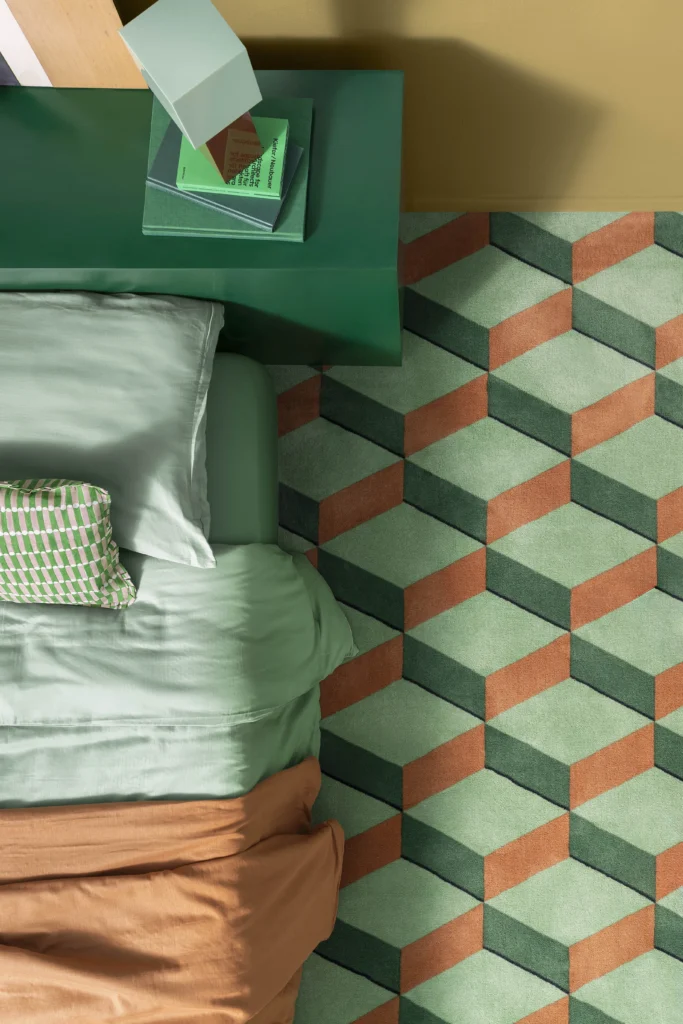
From a design perspective, textile flooring offers a high level of creative freedom. Colours, patterns and textures can interact with the architecture of the space, guiding movement and reinforcing the visual identity of the hotel.
The floor becomes a surface capable of expressing the style of the property and contributing to the overall atmosphere.
Different hotel areas
A hotel is made up of different spaces, each with its own specific requirements. Hotel flooring must therefore adapt to the characteristics and functions of each area.
Guest rooms
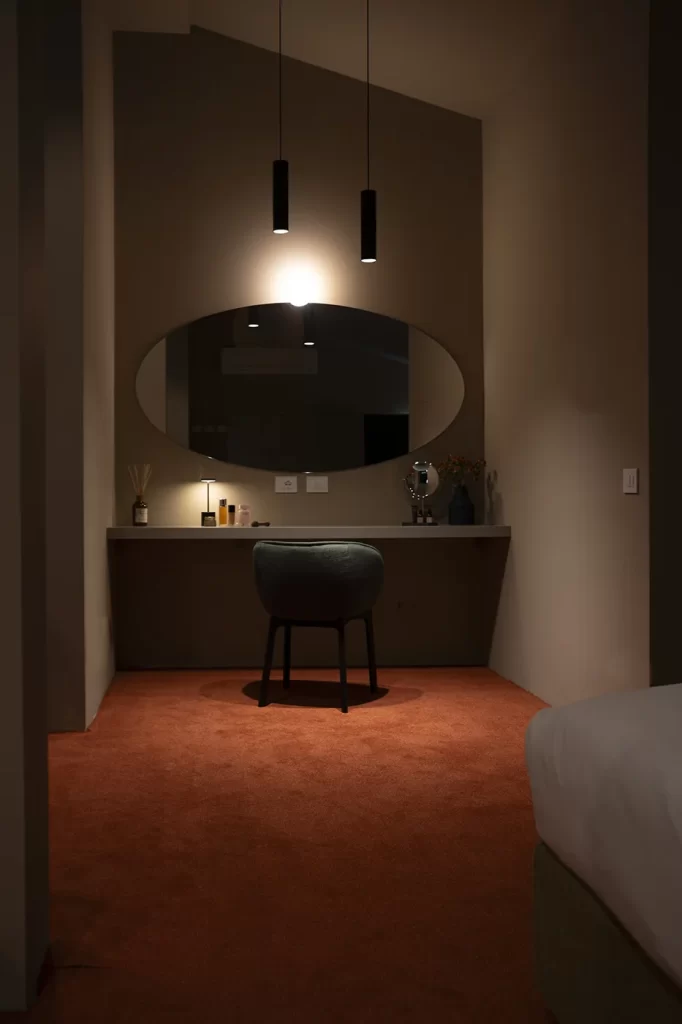
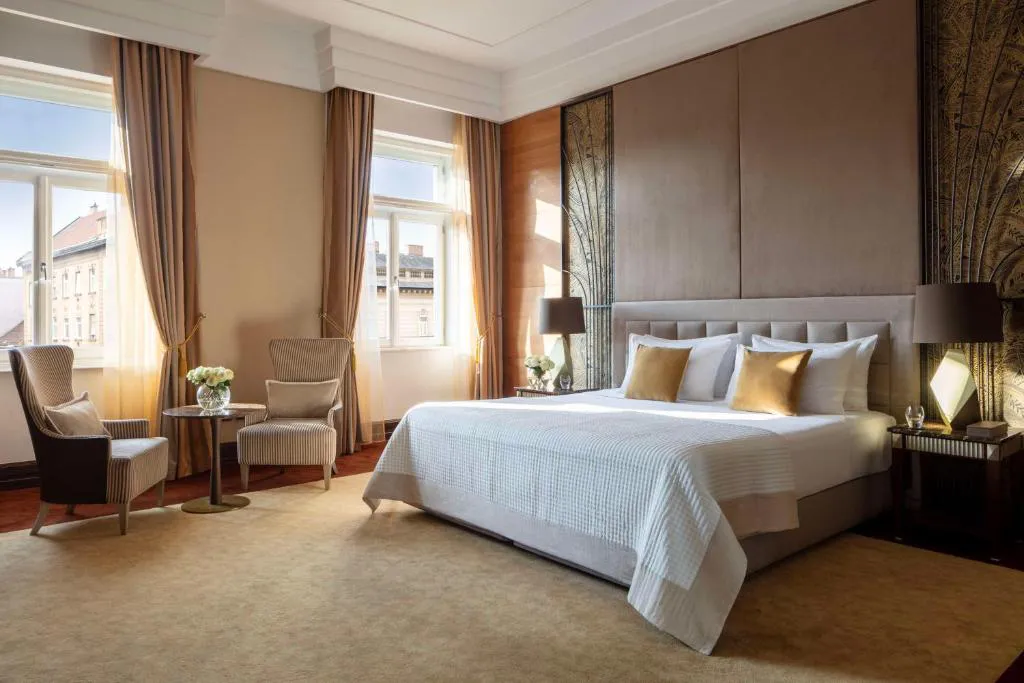
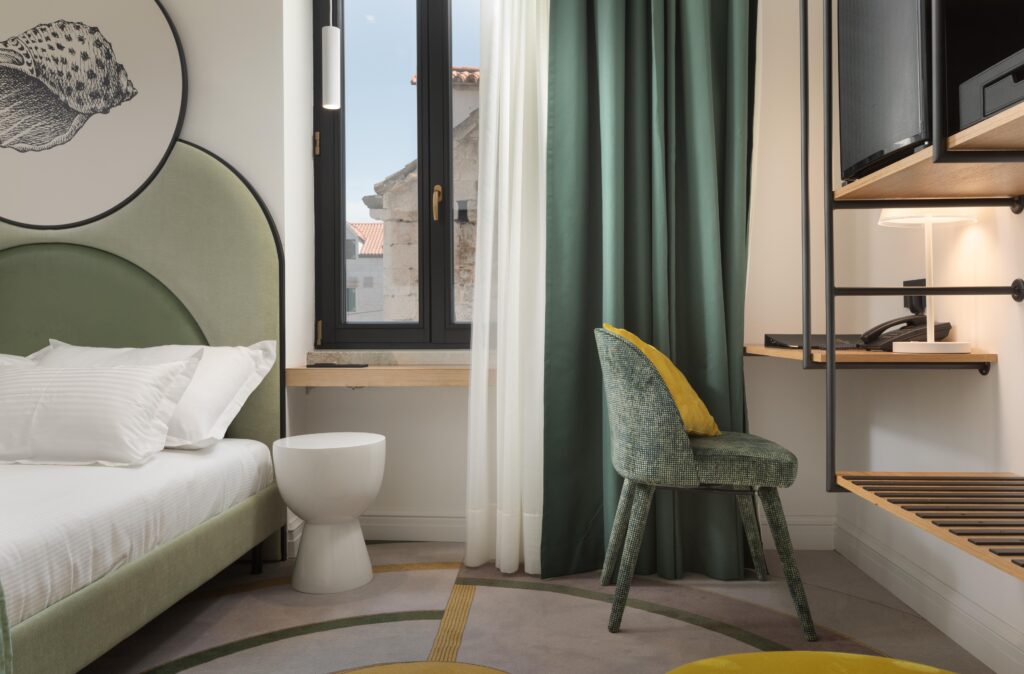
Guest rooms represent the core of the hotel experience. Here, flooring plays a key role in creating a calm and intimate environment where guests can immediately feel at ease.
Carpet is often chosen for its ability to make the space warmer and quieter, transforming the room into a comfortable and welcoming setting.
Corridors
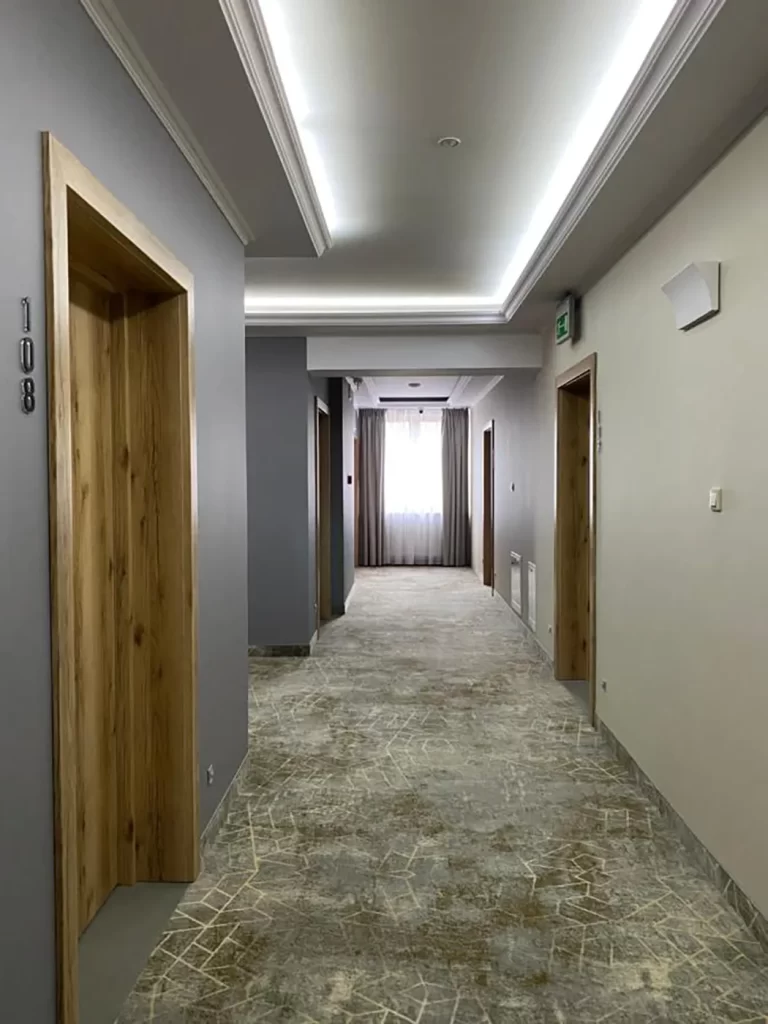
Corridors are high-traffic areas with constant movement. Flooring must therefore combine durability and acoustic comfort, supporting the flow of guests without amplifying noise.
Textile flooring responds effectively to these needs, helping to make circulation areas more discreet and quiet.
Lobby
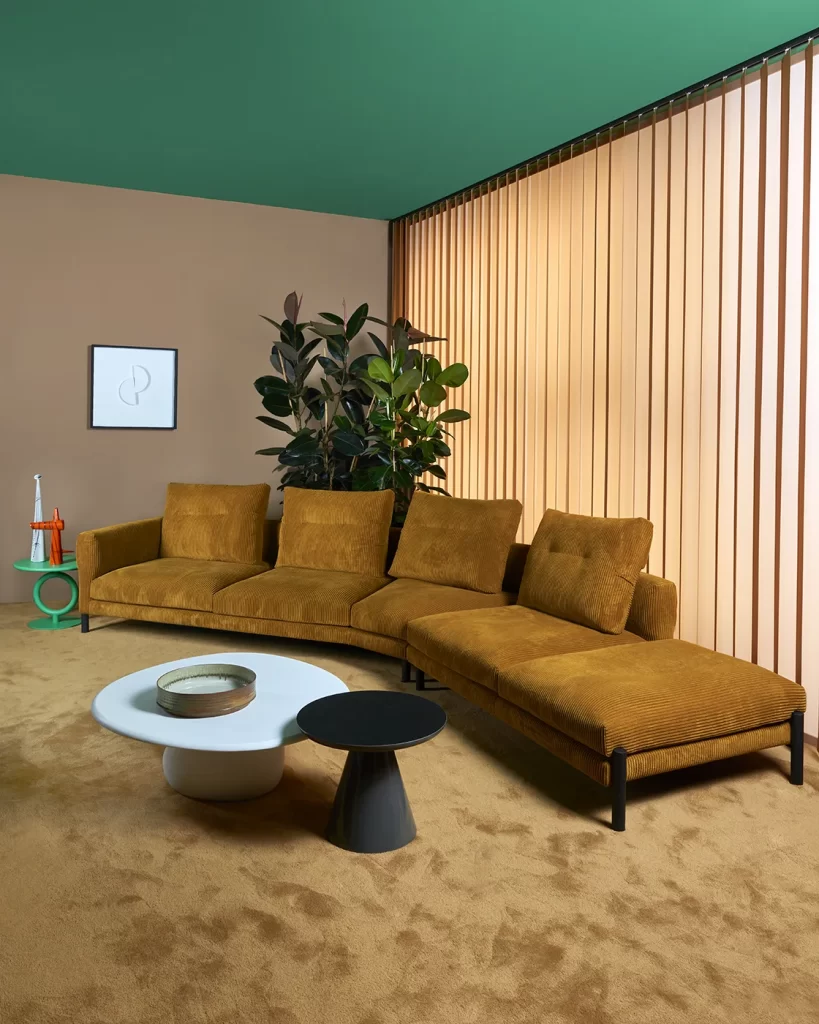
The lobby is the first space to welcome guests and often represents the hotel’s first impression.
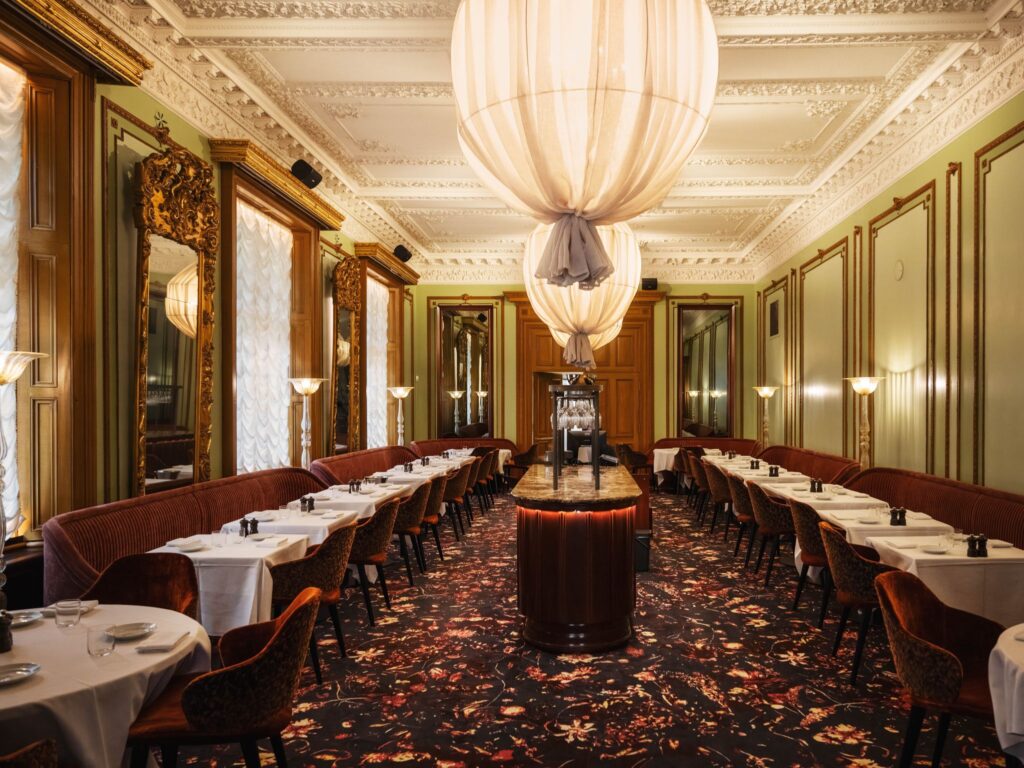
Here, flooring also takes on a more expressive role. Textures, colours and patterns become part of the architectural composition, helping define the identity of the space from the very first glance.
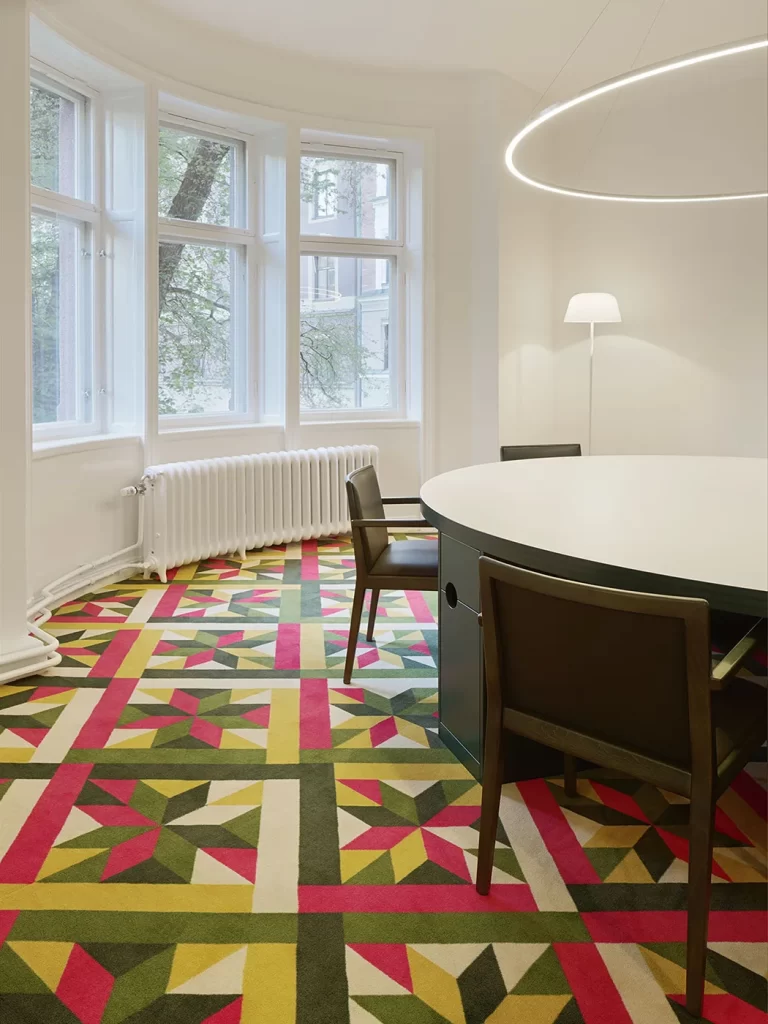
Meeting rooms
In spaces dedicated to meetings and events, flooring must ensure both comfort and acoustic quality.
Carpet helps improve concentration and creates a more balanced acoustic environment, offering ideal conditions for meetings and conferences.
Flooring as part of the experience
In hospitality design, flooring is much more than a technical surface. It is a constant presence that accompanies every moment of the guest experience.
When aesthetics, comfort and performance come together in balance, hotel flooring becomes an integral part of the atmosphere. A surface capable of supporting daily use while contributing to the creation of welcoming, quiet and memorable spaces.
Recommended solutions