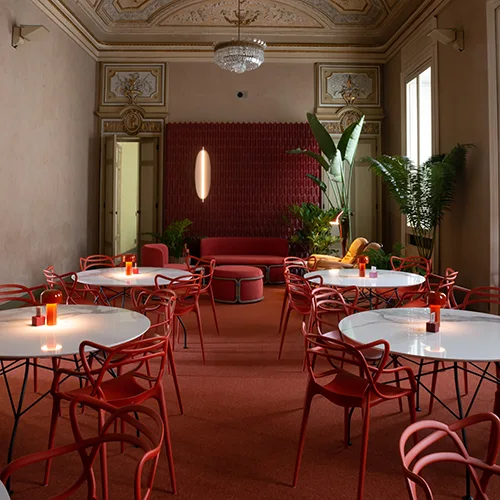
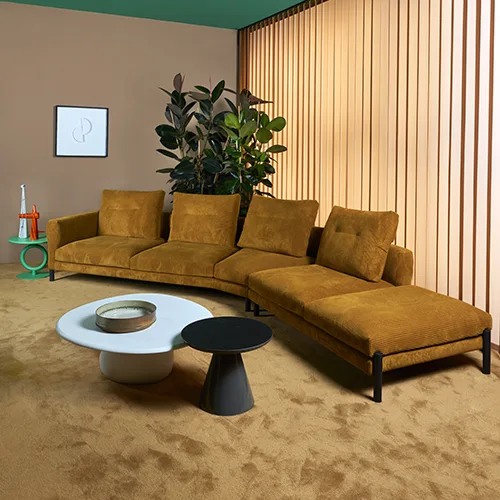
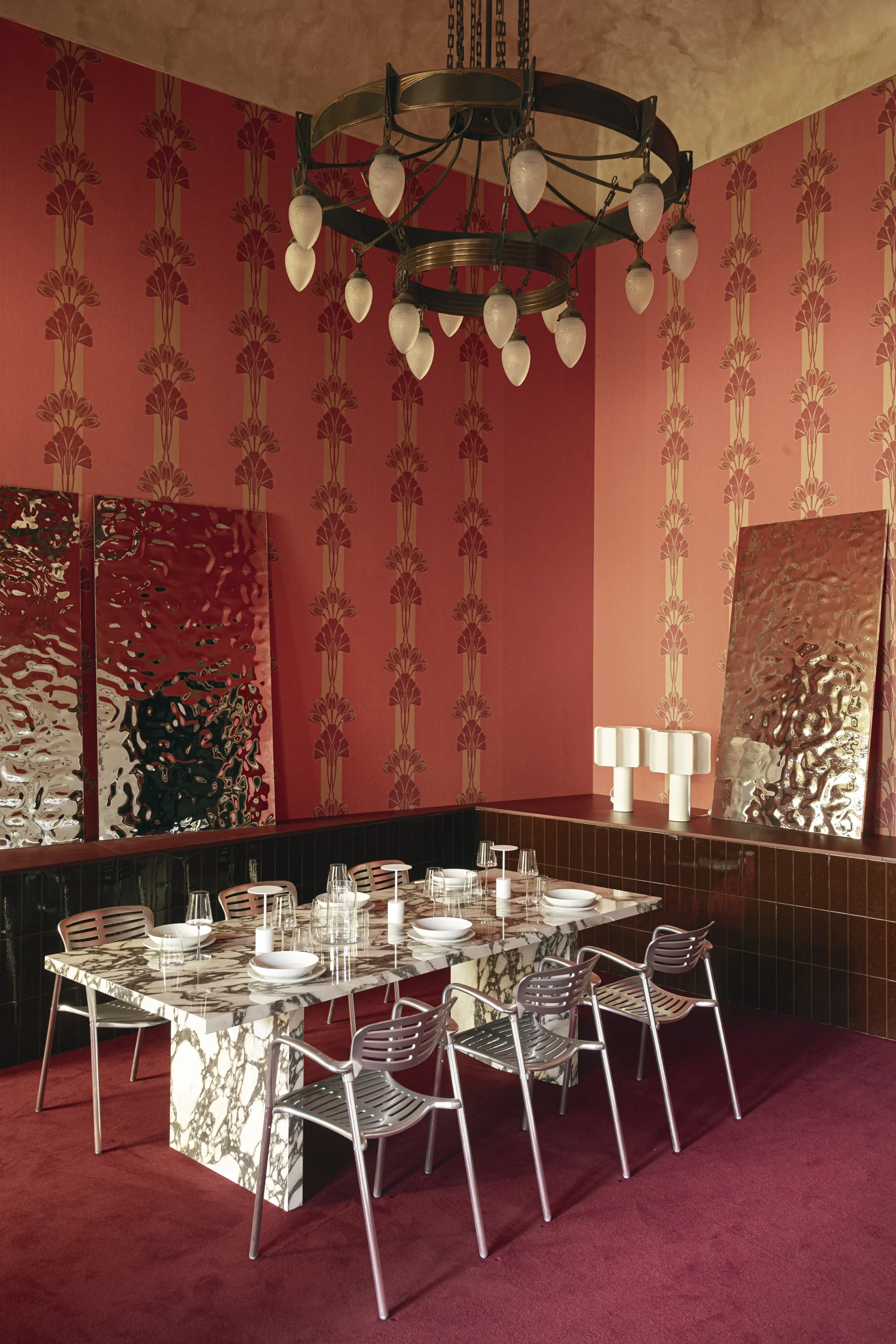
In recent years, interior design has begun to engage with an increasingly pressing question: how to reconcile aesthetic quality, comfort and environmental responsibility. Materials and surfaces, long selected almost exclusively for their technical performance or visual appeal, are now part of a broader perspective. The product life cycle, the origin of raw materials and the potential for material recovery have become integral elements of the design process.
For our company, this transformation is not simply a trend, but a design direction that guides our research into materials and production technologies.
The textile flooring sector is also embracing this shift with a growing focus on sustainability. Carpets, long associated with comfort and the quality of interior spaces, are now evolving towards more responsible and sustainable solutions.
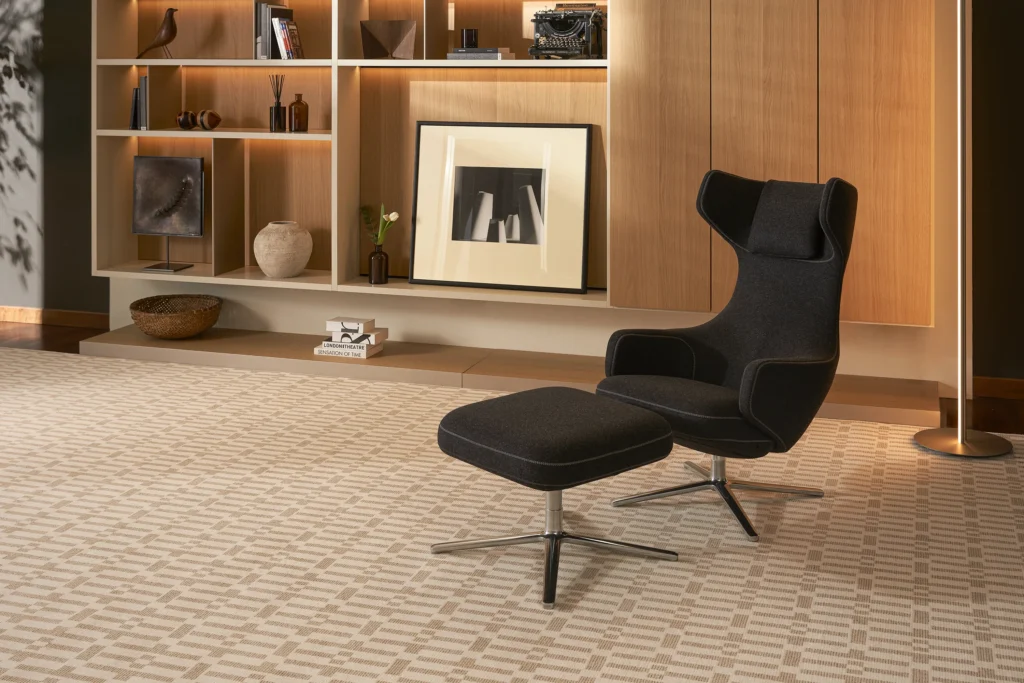
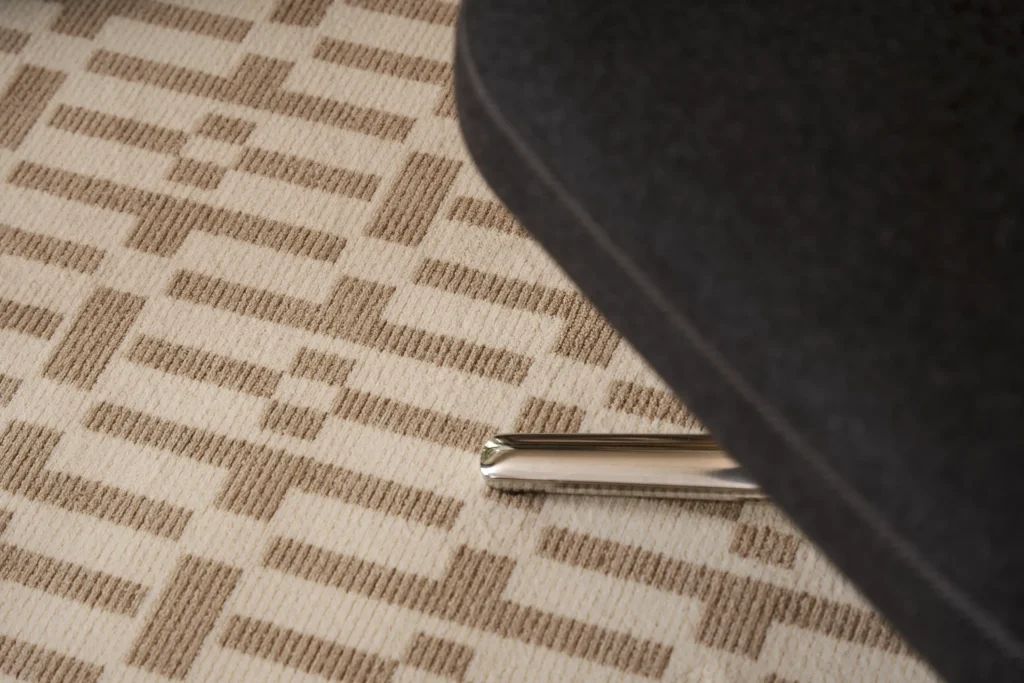
Materials: natural fibres and a new design awareness
In contemporary design, materials are once again taking centre stage. Textures, surfaces and materials contribute to defining the identity of spaces with the same strength as architecture.
Natural fibre carpets represent one of the most compelling expressions of this approach. Fibres such as wool combine aesthetic quality, durability and sensory comfort, offering a surface that interacts with the space in a natural and balanced way.
Wool has long been one of the most valued materials in textile flooring. Beyond its softness and durability, it offers natural humidity regulation properties and helps enhance overall indoor comfort.
Alongside animal fibres, plant-based materials such as bamboo are also used in selected applications for their tactile texture and natural character. These solutions make it possible to create textile flooring that reflects a new design awareness, where material and sustainability come together.
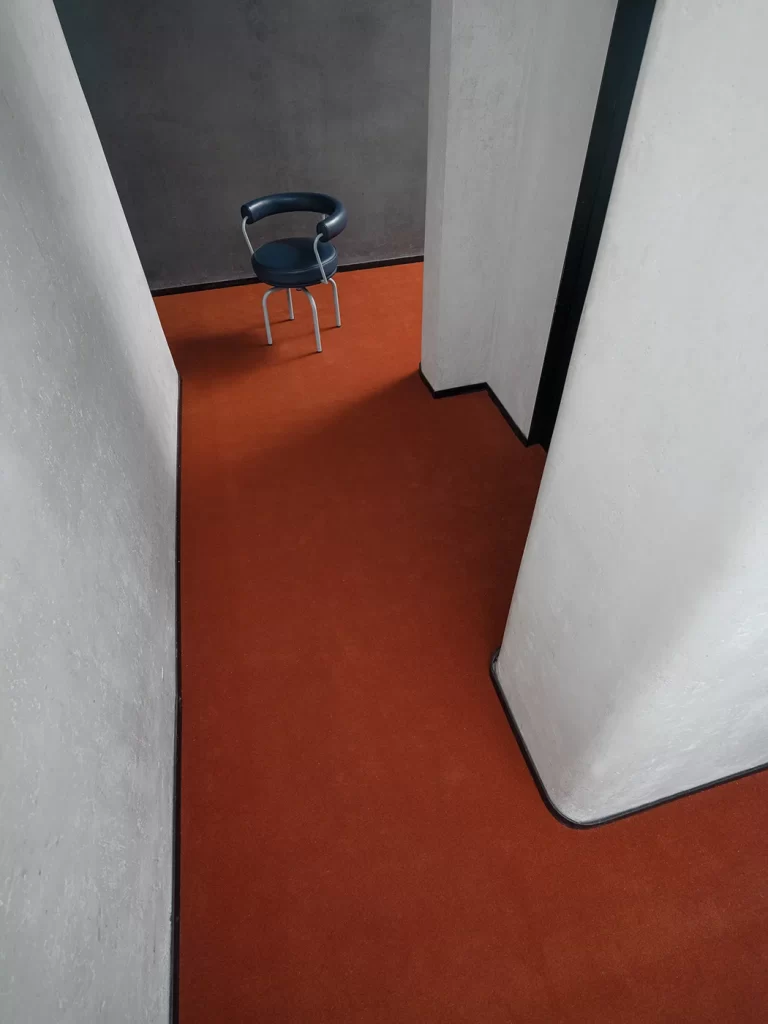
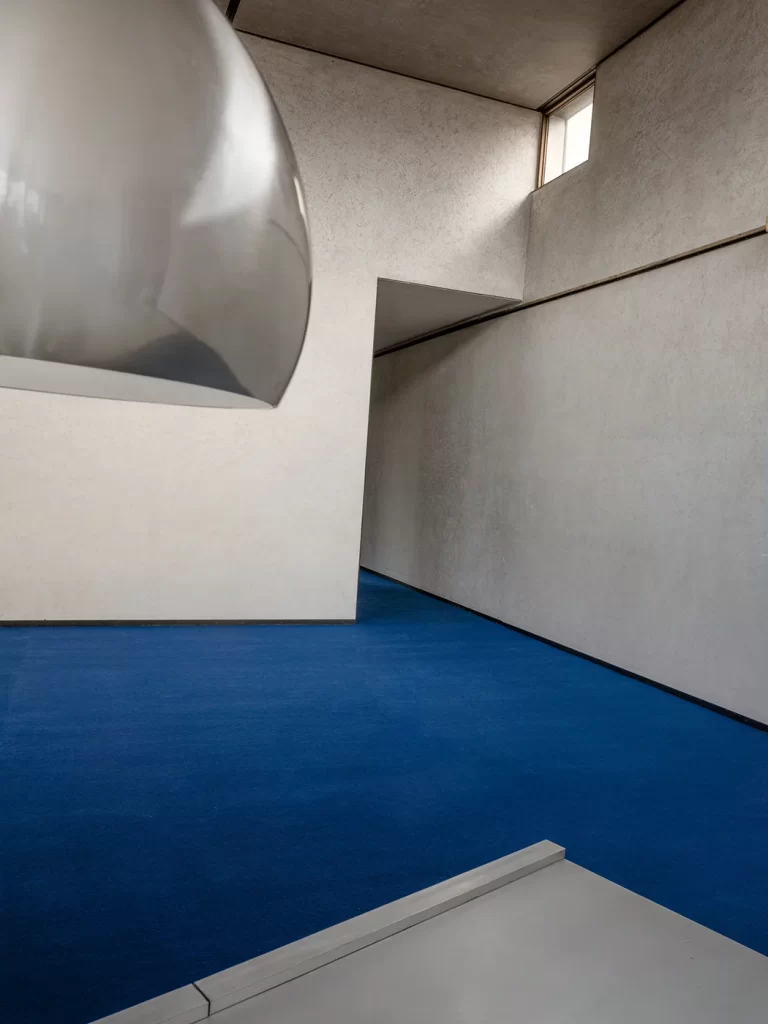
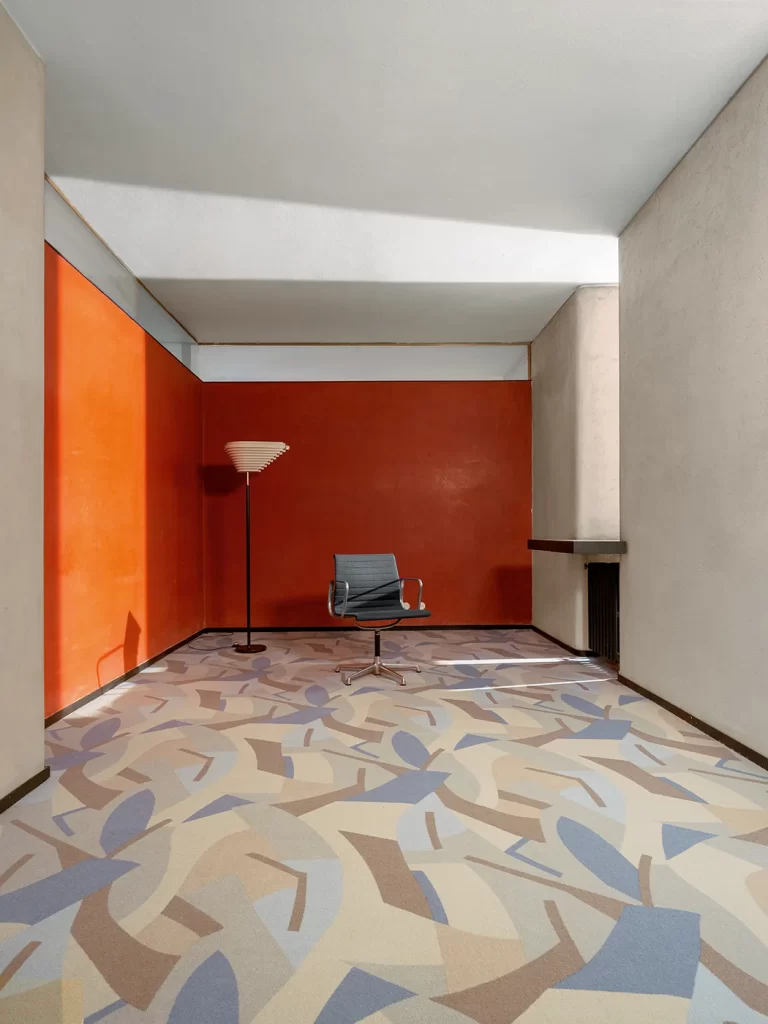
Recyclable flooring within new sustainable production models
If the choice of fibres represents the first step towards more responsible design, the second concerns how materials are conceived with their future in mind.
Recyclable flooring is redefining the way interior surfaces are designed. It is not only about using sustainable materials, but about developing flooring systems that can re-enter the production cycle.
Within our company, we have addressed this approach through the development of Bloom Back, a textile flooring solution designed according to a regenerability logic.
Bloom Back features a single-component structure made of polyamide 6. This choice simplifies the end-of-life recovery process and enables the regeneration of the fibre.
The yarn is supplied by Econyl, a regenerated nylon produced from recovered waste materials such as fishing nets and industrial plastic. Through this process, the material can be transformed into new textile flooring, reducing resource consumption and supporting a circular economy model.
More than just a product, Bloom Back represents a different way of approaching surface design.
Enhancing indoor well-being and air quality
Sustainability in interior design is not only about the environment, but also about the quality of the spaces we live in.
Textile flooring has characteristics that naturally contribute to indoor comfort. Carpet fibres retain dust particles and limit their dispersion into the air, helping to improve the quality of indoor spaces.
To further enhance this aspect, we developed AlleRAD, a treatment applied to carpets that uses active probiotics to reduce the presence of allergens on the flooring surface.
The system can reduce up to 99.9% of inanimate allergens, such as dust mites, pet allergens and pollen. The result is a textile flooring solution that makes a concrete contribution to indoor well-being.
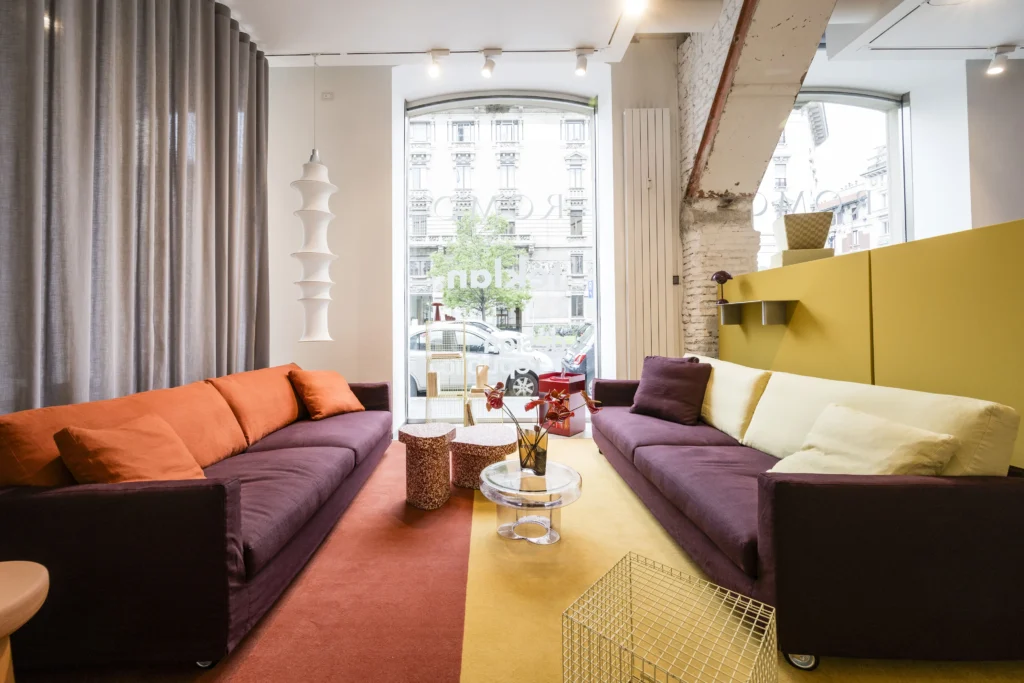
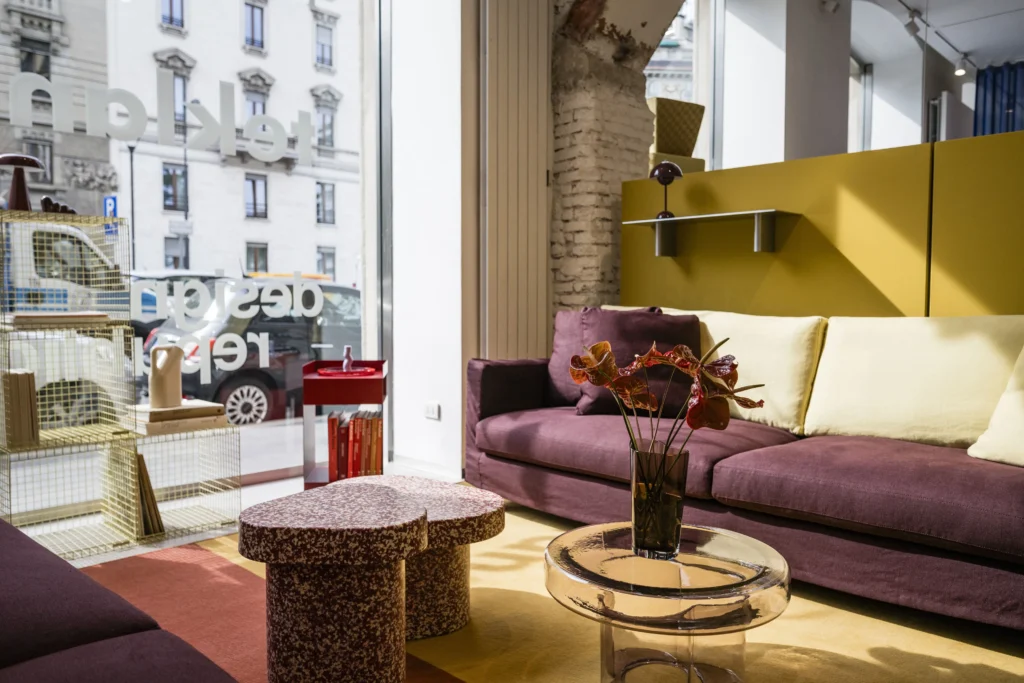
Surface design
In contemporary design, flooring is no longer مجرد a neutral background. The surface becomes part of the architectural language, a tool capable of shaping atmospheres, guiding movement and creating connections between the elements of a space.
For this reason, whenever we develop a new textile flooring solution, we always consider its role within the overall project.
From natural fibre carpets to regenerable solutions such as Bloom Back, and technologies dedicated to indoor well-being such as AlleRAD, every solution is developed with the aim of creating a balance between design, comfort and environmental responsibility.
Because today, designing a surface means imagining not only the space we inhabit, but also the system of relationships that project generates over time.